
led makeup light
Understanding Snap Gauge Types A Comprehensive Guide Snap gauges, also known as snap gages or snap gauges, are essential precision measuring tools widely used in manufacturing and engineering sectors. These tools are specifically designed to measure the dimensions of an object, predominantly its external or internal features, such as diameter, width, height, and thickness. Understanding the different types of snap gauges is crucial for anyone involved in quality control, machining, or assembly processes. 1. Types of Snap Gauges There are several types of snap gauges, each tailored for specific measurement requirements - External Snap Gauges These are commonly used to measure the external dimensions of a component. They consist of two arms that snap around the object, providing a quick and accurate reading. External snap gauges are excellent for checking features like outer diameters and widths in production lines, where time and precision are paramount. - Internal Snap Gauges Unlike external snap gauges, internal snap gauges are designed to measure the internal dimensions of holes or bores. They feature a pair of arms that expand inward, allowing measurement of internal features like diameters and depths. Internal snap gauges are crucial in applications where the internal geometry of a part needs verification. - Gap Gauges These tools are specific snap gauges used for measuring the gaps or spaces between two components. They are particularly useful in industries where clearance is critical, such as automotive or aerospace. - Multi-Function Snap Gauges As the name suggests, these gauges can perform multiple measurement tasks, making them versatile tools in various applications. They often combine features to measure both internal and external dimensions, reducing the need for multiple tools. 2. Material and Design snap gauge types Snap gauges come in various materials, including steel, stainless steel, and specialized alloys, depending on their intended use. The design of snap gauges typically incorporates a handle for easy operation and a measurement scale for direct reading. More advanced digital snap gauges have been developed, offering electronic readouts and enhanced functionality, thus improving the accuracy and convenience of measurements. 3. Calibration and Accuracy Accuracy is a crucial aspect of snap gauges. Manufacturers must calibrate these tools regularly to maintain their precision. Calibration involves adjusting the gauge against a known standard to ensure that measurements remain consistent and reliable. Regular maintenance and calibration minimize measurement errors and enhance the overall quality of the measured components. 4. Applications of Snap Gauges Snap gauges are ubiquitous in manufacturing environments, particularly in quality control processes. They are commonly employed in industries such as automotive, aerospace, electronics, and metalworking. Their primary role is to ensure that components meet specified dimensions, thereby reducing waste and ensuring product reliability. In addition to manufacturing, snap gauges find applications in research and development. Engineers and scientists use them to measure prototypes and experimental designs, ensuring that their experiments yield accurate and reproducible results. 5. Conclusion In conclusion, snap gauges play a vital role in precision measurement across various industries. Understanding the different types—external, internal, gap, and multi-function snap gauges—equips professionals with the knowledge necessary to select the right tool for specific measurement tasks. Regular calibration and maintenance are essential for ensuring measurement accuracy. Overall, snap gauges are indispensable in maintaining quality standards and enhancing manufacturing processes, making them a critical component in the pursuit of technical excellence.
about
led makeup light
Understanding the Pricing Dynamics of Micrometre Technology In recent years, the micrometre (or micron) technology sector has witnessed significant advancements, making it a focal point for various industries, including electronics, healthcare, and material science. As the applications for micrometre-scale products continue to evolve and expand, understanding the pricing dynamics of micrometre technology becomes increasingly important for businesses and consumers alike. Defining Micrometre Technology Micrometre technology deals with measurements and structures at the scale of one millionth of a meter (or one thousandth of a millimeter). This precision is crucial in sectors such as semiconductor fabrication, precision engineering, and even the burgeoning field of nanotechnology. Components and systems designed at the micrometre scale can enhance performance, reduce energy consumption, and enable new functionalities, making their pricing a matter of both competitive strategy and technological innovation. Factors Influencing Micrometre Pricing 1. Raw Material Costs The price of raw materials plays a significant role in the overall cost of micrometre products. Materials like silicon, gallium arsenide, and various polymers can experience price volatility due to market demand, geopolitical factors, and supply chain disruptions. Fluctuations in material costs can directly impact the production costs, which, in turn, influence product pricing. 2. Manufacturing Processes The complexity and sophistication of the manufacturing processes used to create micrometre components are also critical. Advanced techniques such as photolithography, etching, and deposition require highly specialized equipment and skilled labor, contributing to higher production costs. As companies invest in more innovative and efficient manufacturing technologies, these costs can be mitigated, but initial investments may lead to higher prices in the short term. micrometre price 3. R&D Investments The micrometre technology sector is highly competitive, with continuous innovation driving the need for robust research and development (R&D). Companies that invest heavily in R&D may set higher prices for their products to recoup these investments. However, successful innovations often lead to economies of scale, which can ultimately drive prices down as production ramps up. 4. Market Demand and Competition Consumer demand heavily influences pricing in any technology market. As industries increasingly incorporate micrometre technology into their products and processes, demand is likely to grow. This demand can drive prices up if supply does not keep pace. Conversely, increased competition among manufacturers can lead to price reductions as companies strive to capture market share. Future Outlook The future pricing of micrometre tech appears to be on a path influenced by several additional factors, including advancements in automated manufacturing and the integration of AI in production processes. Such progress can streamline operations and reduce costs, potentially lowering prices for end-users. Furthermore, as more players enter the micrometre technology market, increased competition could lead to further price stabilization. Environmental considerations and sustainability initiatives may also shape pricing strategies. As consumers become more environmentally conscious, companies may need to invest in sustainable practices, which could affect their cost structures and pricing strategies. Conclusion In summary, the pricing of micrometre technology is shaped by a complex interplay of factors, including raw material costs, manufacturing processes, R&D investments, and market dynamics. As the demand for micrometre-scale applications continues to rise, understanding these influences will be crucial for stakeholders across the spectrum. Businesses must remain agile, adapting to changes in the market and investing in innovations that can offer competitive pricing while ensuring quality and performance in their micrometre technology offerings. As we look ahead, ongoing developments in manufacturing processes and shifts in market demand will undoubtedly continue to influence the pricing landscape of micrometre technology.
-

High quality industrial productsagement

High quality industrial products
View Details -

Meet the diverse needs of customers

Meet the diverse needs of customers
View Details -

Strict quality control

Strict quality control
View Details -

Top raw materials

Top raw materials
View Details -

Trusted supplier

Trusted supplier
View Details
Our application

news and information

water valve main
Understanding Water Valve Main Key Components and Importance Water valves are critical components in
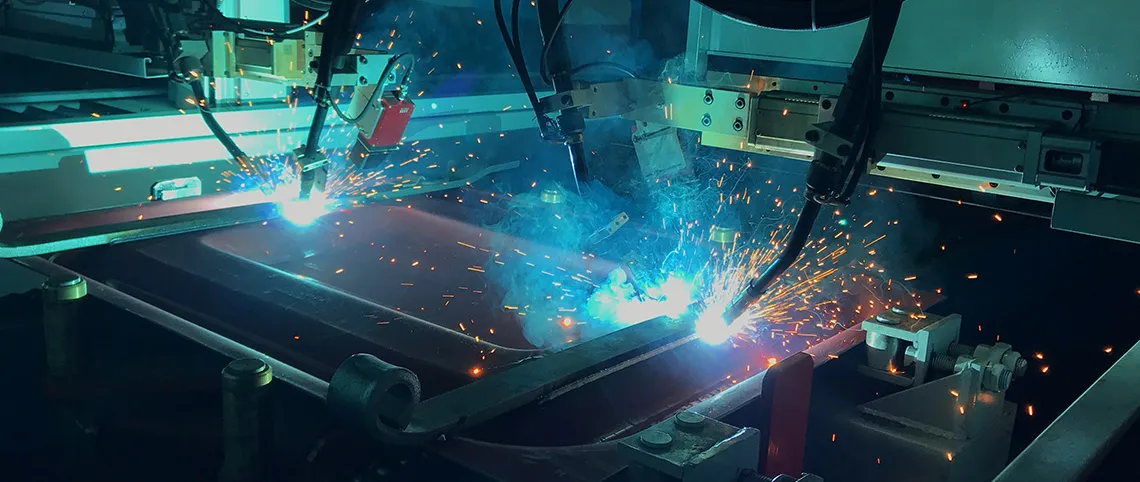
Valve manufacturing plant creating innovative products for industrial applications.
Valve Factory The Heart of the Manufacturing Process Valve factories play a crucial role in the man
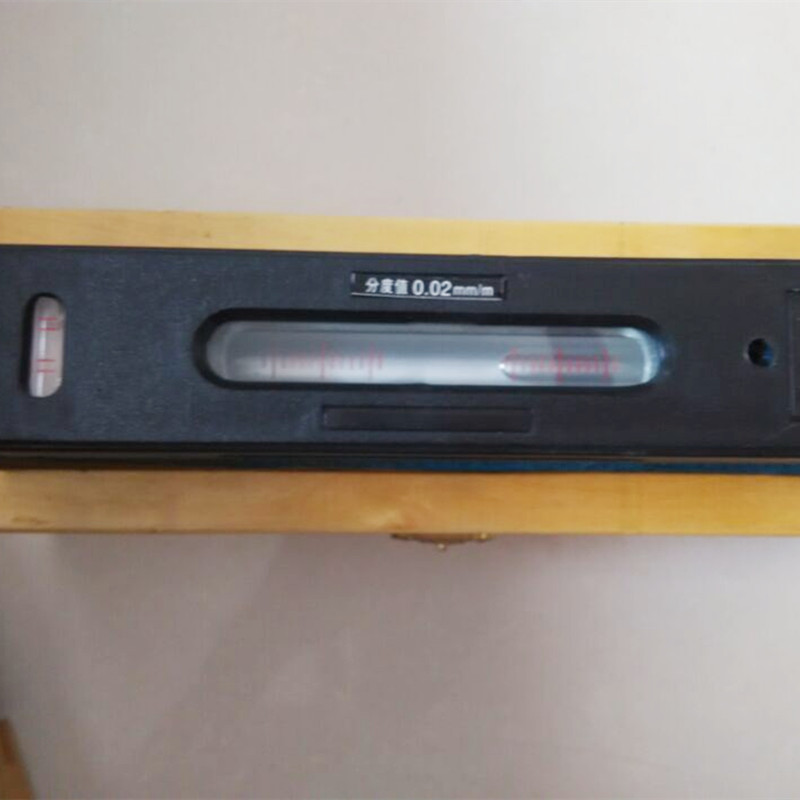
y strainer cast iron
The Benefits and Applications of Y-Strainer in Cast Iron In various industrial applications, one of
 English